Flower arranging for beginners: five things worth knowing before you start
- By
- Masaru Kawaguchi
- Articles
- Flower arranging
- Date
Most people who come to our monthly workshop have never arranged flowers in any structured way before. They have put flowers in a vase, but they have not thought about why some arrangements look considered and others look like a bunch dropped in water. Here are five things we cover in the first twenty minutes of every class.
Proportion: the arrangement should be taller than the vase
A common mistake is cutting stems too short. The arrangement ends up sitting at the rim of the vase, which makes it look squat and unfinished. A general starting point is to cut the tallest stem to one and a half times the height of the vase, then work down from there. This is a starting point, not a rule, but it gives beginners something to work with before they develop their own eye.
Negative space is not empty space
The gaps between stems are as important as the stems themselves. An arrangement that is packed too tightly looks heavy and loses the individual character of each flower. When you step back from an arrangement and it looks crowded, the answer is usually to remove two or three stems rather than to add more.
This is the part of the class that surprises people most. The instinct is to fill the vase. The skill is knowing when to stop.
Odd numbers and colour grouping
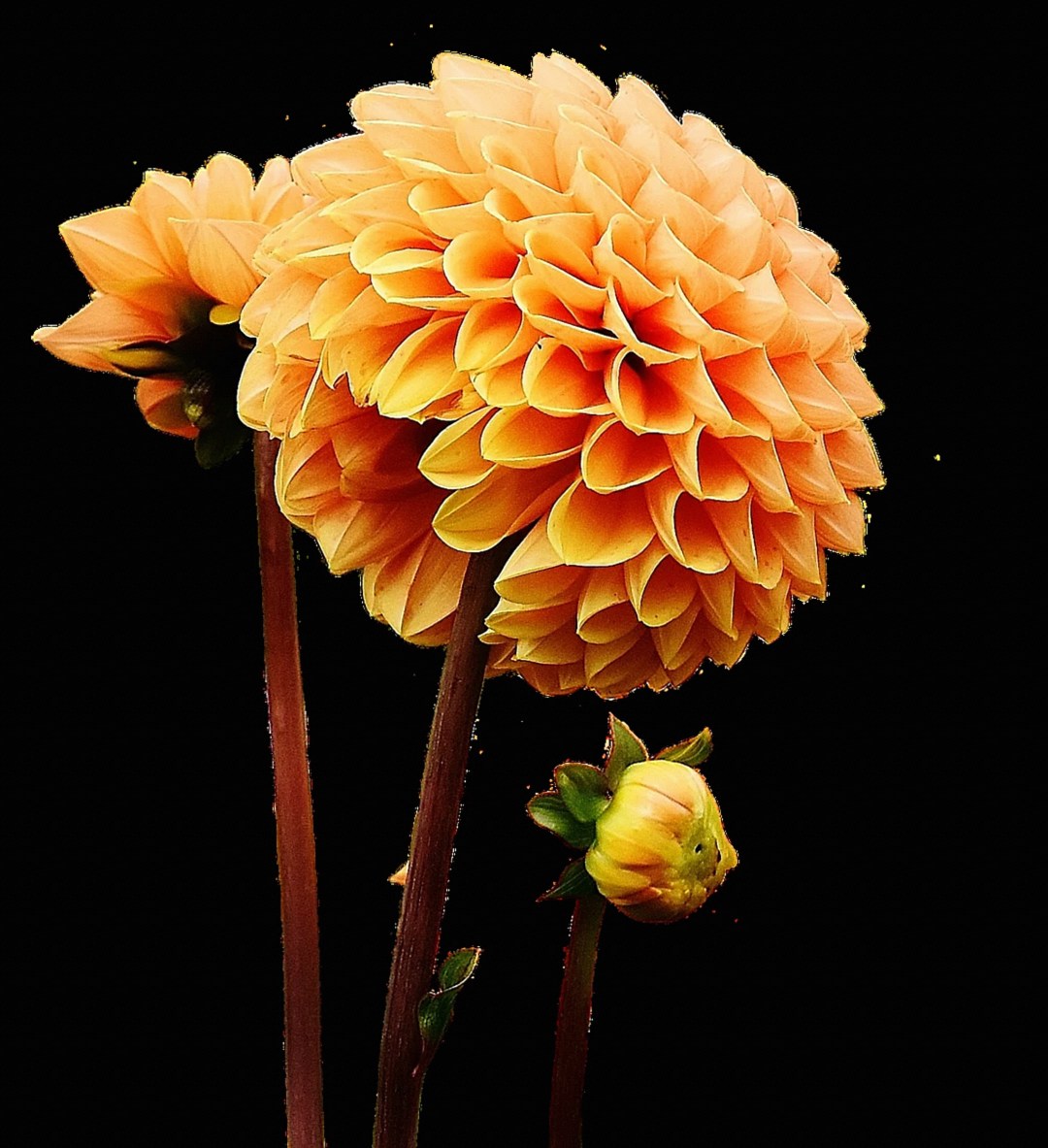
Odd numbers of focal flowers tend to look more natural than even numbers. Three dahlias arranged asymmetrically will almost always look better than four arranged symmetrically. This is not a hard rule, but it is a useful default.
For colour, grouping similar tones together rather than distributing them evenly tends to produce a more coherent result. A bunch with three deep burgundy stems clustered on one side and two pale pink stems on the other will look more intentional than the same five stems alternated around the vase.
The tools you actually need
You do not need floral foam, wire, or any specialist product to make a good hand-tied bouquet or a simple vase arrangement. The tools above are sufficient for most home arranging.
- A sharp knife or proper floral scissors (not kitchen scissors)
- A clean vase with no soap residue
- Room-temperature water, not cold
- A flat surface at a comfortable working height
The monthly workshop at the shop covers all of this in a hands-on setting. If you would like to join, check the workshop seat listing on our flowers page and get in touch to book.
#Flower arranging #Beginners #Workshop #Tips